Mid-century modern design has outlived countless trends. It isn’t flashy. It isn’t precious. And yet, decades after its heyday, it still feels right, comfortable, practical, and quietly beautiful.
Part of its appeal lies in balance: warmth without clutter, structure without rigidity, and style without excess. Whether you’re furnishing a small apartment or refreshing a long-lived family home, mid-century principles are remarkably adaptable and surprisingly budget-friendly.
Below is a Substack-style deep dive into what defines mid-century and mid-century modern design, why it endures, and how to recreate it thoughtfully without chasing expensive originals.
What We Mean by “Mid-Century” and “Mid-Century Modern”
Mid-century design broadly refers to the period between 1945 and 1970, when designers reimagined how homes should function after World War II. Mass production, new materials, and optimism about the future shaped everything from architecture to furniture.
Mid-century modern sits within that era and leans more deliberately toward modernist values: simplicity, function, and honest materials. Today, most interiors blend the two—borrowing the shapes and spirit of the era while living firmly in the present.
The Essential Elements of Mid-Century DesignClean Lines, Softened by Curves
1. Clean Lines, Softened by Curves
Mid-century design avoids ornament for ornament’s sake. Furniture is streamlined, with straight lines balanced by gentle curves.
Think: tapered legs, low profiles, and rounded chair backs and table edges. The result is furniture that feels sculptural but never heavy.
2. Design That Serves Real Life
At its core, mid-century design is deeply practical. Pieces are meant to be used daily, not admired from a distance.
This shows up in: comfortable seating, integrated storage (sideboards, credenzas), open layouts that encourage movement. There’s an underlying belief here: good design should make life easier.
3. Warm, Natural Materials
Mid-century interiors lean heavily on materials that age well.
Common choices include: walnut, teak, and oak; Leather and wool upholstery; and stone, glass, and ceramic accents.
Wood—especially warm-toned wood—is the anchor. Even when mixed with modern materials, it keeps the space grounded.
4. Color That Feels Intentional
Color in mid-century spaces is confident but controlled.
Typical palettes start neutral, then layer in: Mustard yellow; olive or moss green; rust, terracotta, or burnt orange; teal and navy as cooler counterpoints.
Patterns tend to be geometric, abstract, or subtly organic.
5. A Relationship with Nature
Mid-century homes were designed to blur the boundary between inside and out. Even in smaller or urban spaces, this principle translates easily: large plants with sculptural forms, furniture arranged to preserve sightlines, light-filled rooms with minimal visual barriers.
Iconic Mid-Century Forms
Some designs became icons for a reason
The Eames lounge chair
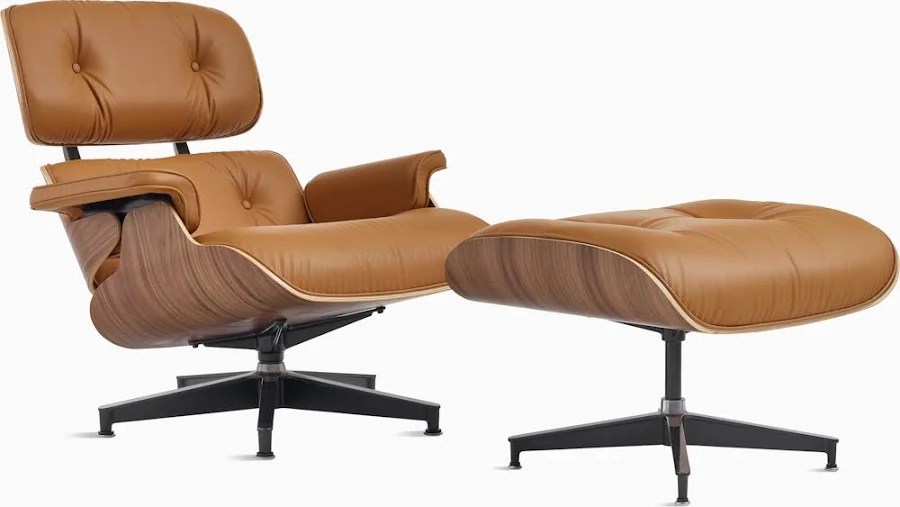
The Eames Lounge Chair and Ottoman is one of the most iconic pieces of 20th-century furniture design, created by Charles and Ray Eames in 1956. It combines molded plywood shells with plush leather cushions and a die-cast aluminum base. It was designed as a luxurious retreat chair and remains celebrated for its comfort, craftsmanship, and timeless aesthetic.
The Saarinen tulip table
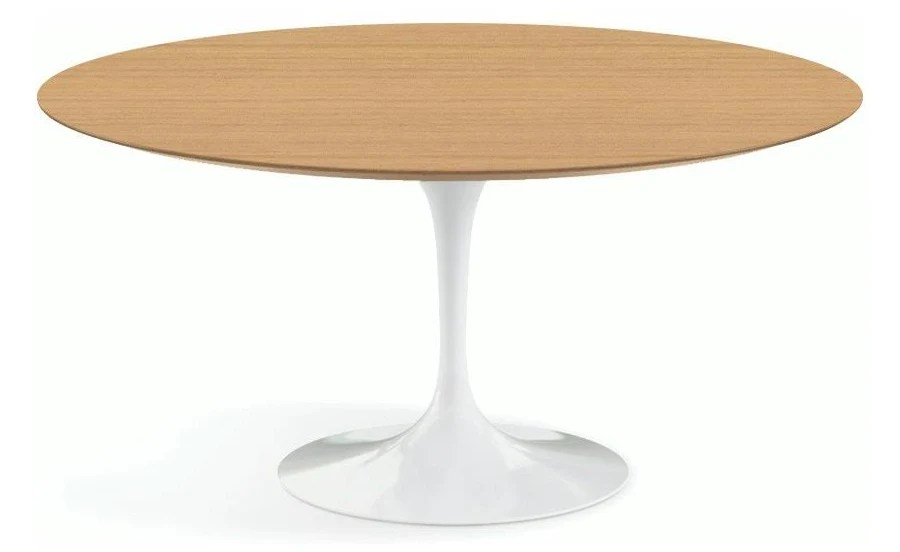
The Tulip Table is one of mid-century modern’s most iconic pieces, designed by Eero Saarinen in 1957 to eliminate the “visual clutter” of traditional chair and table legs with a single, sculptural pedestal base.
The Wishbone Chair
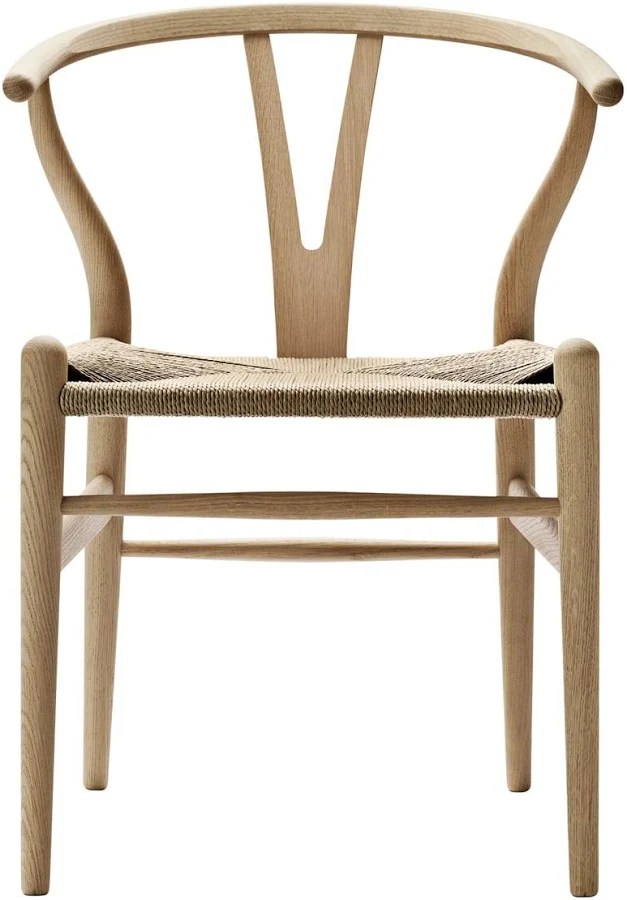
The Wishbone Chair (also called the CH24 or “Y Chair”) was designed by Danish designer Hans J. Wegner in 1949 for Carl Hansen & Søn. It’s considered one of the great classics of Scandinavian modern design and celebrated for its lightweight sculptural form, minimalist elegance, and exceptional craftsmanship. Its distinctive Y-shaped backrest and hand-woven paper-cord seat are hallmarks of the design, and the chair has been in continuous production since 1950.
You don’t need originals to reference these forms. What matters is recognizing the silhouette: clean, balanced, and intentional.
How to Achieve the Look on a Budget
1. Focus on Shape, Not Branding
Mid-century style lives in proportions, not labels.
Look for: sofas with straight backs and exposed legs, chairs with slim frames, tables with simple, tapered bases
Avoid oversized, overstuffed furniture works against the aesthetic.
2. Secondhand Is Your Secret Weapon
Much of the furniture from this era was built to last.
Great places to search: thrift and charity shops, estate sales, online resale platforms
Even worn pieces can often be revived with light refinishing or new upholstery.
3. Be Strategic with Wood
You don’t need a house full of solid teak.
Instead: mix real wood statement pieces with veneer or engineered options, refinish existing furniture to warmer tones, keep wood finishes within a similar color family
Consistency matters more than cost.
4. Let Accessories Carry the Color
Color doesn’t have to be permanent to be effective.
Budget-friendly updates include: pillows and throws, area rugs, curtains in solid, saturated hues
These layers allow you to experiment without commitment.
5. Invest Where It Shows: Lighting
Lighting is often the fastest way to signal mid-century style.
Look for: arc floor lamps, globe pendants, sputnik-inspired chandeliers.
The Pitfalls to Avoid
- Over-decorating with too many statement pieces
- Mixing wildly different wood tones
- Leaning too far into novelty or kitsch
Mid-century design works best when it’s restrained and intentional.
Why the Style Endures
Mid-century modern design continues to resonate because it respects both form and function. It values quality over excess and believes that everyday objects deserve thoughtful design.
When done well, it doesn’t feel like a trend at all it feels like home.
If you’re building slowly, that’s in the spirit of the style. Mid-century design rewards patience, intention, and a willingness to let good pieces speak for themselves.
 Mid Century Design
Leave a comment